Synopsis
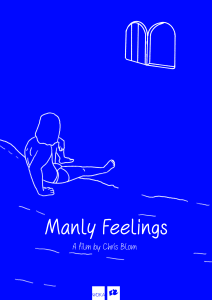
Manly Feelings is a short film by Chris Blom, about the difficulty that many men face experiencing, expressing, and sharing the difficult emotion of sadness. The film seeks to linger in this place of difficulty through interviews with men, supported by metaphorical imagery.
Why This Film?
The film started as a research project and a self-healing process. I struggle with being vulnerable and I grappled with the question: Why is it so hard to tell someone that I feel bad?
It was only when I started to interview the men around me about their experiences. that I fully noticed how common it is for men to struggle and give voice to their feelings of sadness. The boys don’t cry attitude is rooted very deeply in our society and I wanted to openly ask why and hopefully spark a conversation.
Process
The Narrative
From the start I knew that I wanted use the Interview footage in my film. It was important for me to not have a singular voice. because it is not an individual story but one shared by many men. The narrative emerged by stitching together multiple interviews to find a common thread. When the story was fully there in audio it was time for me to develop the visual story language
Visual Development
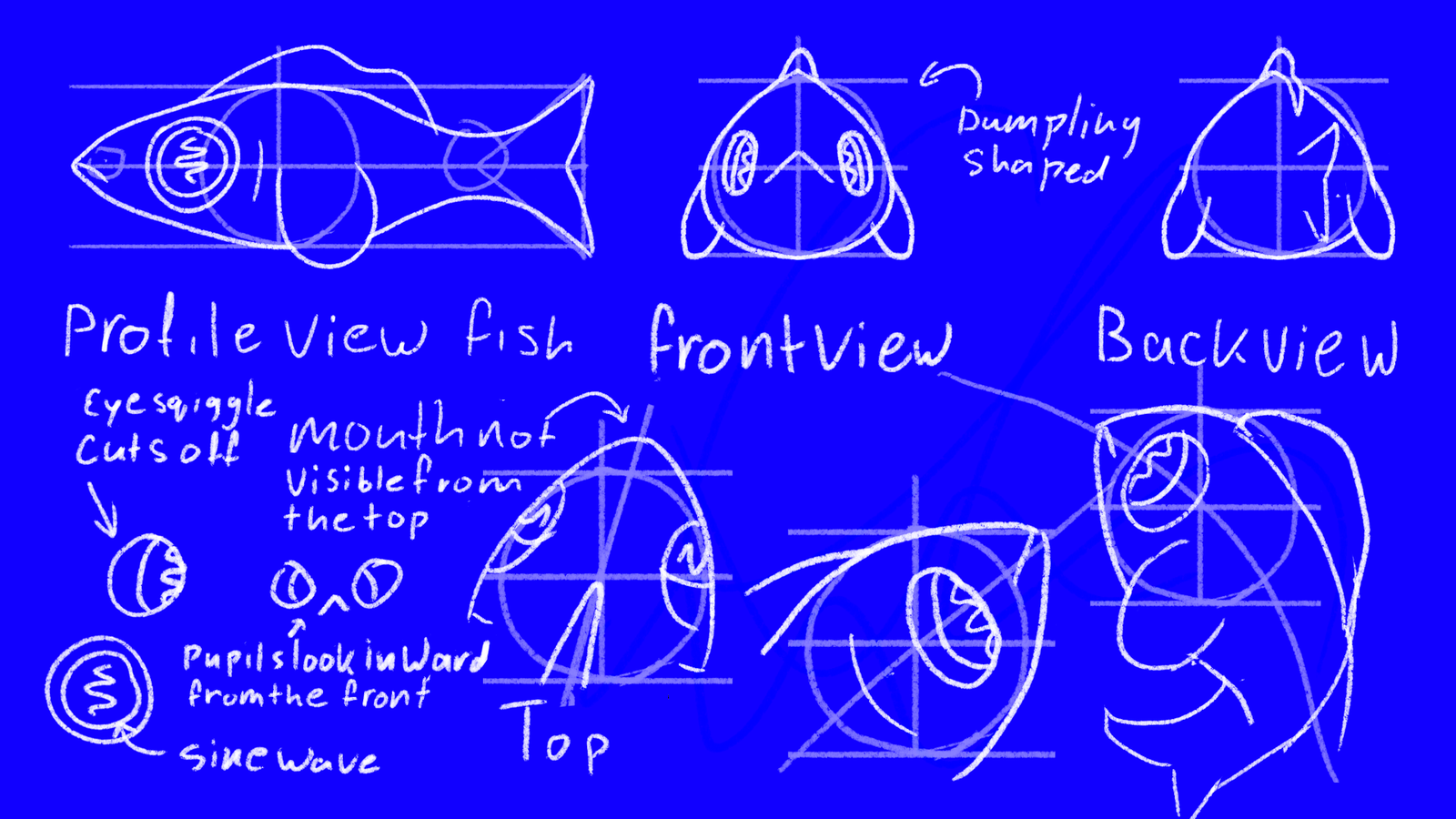
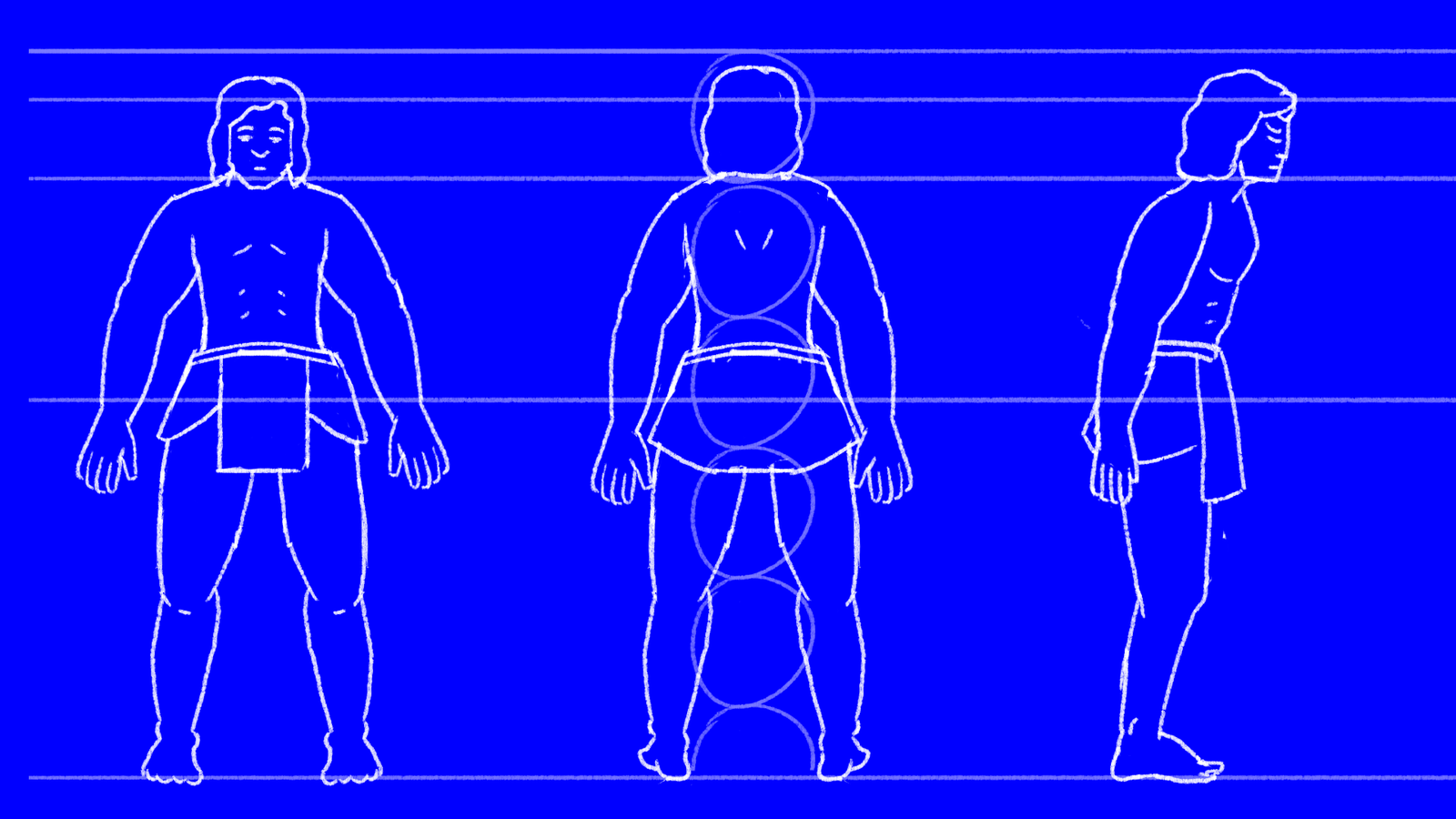
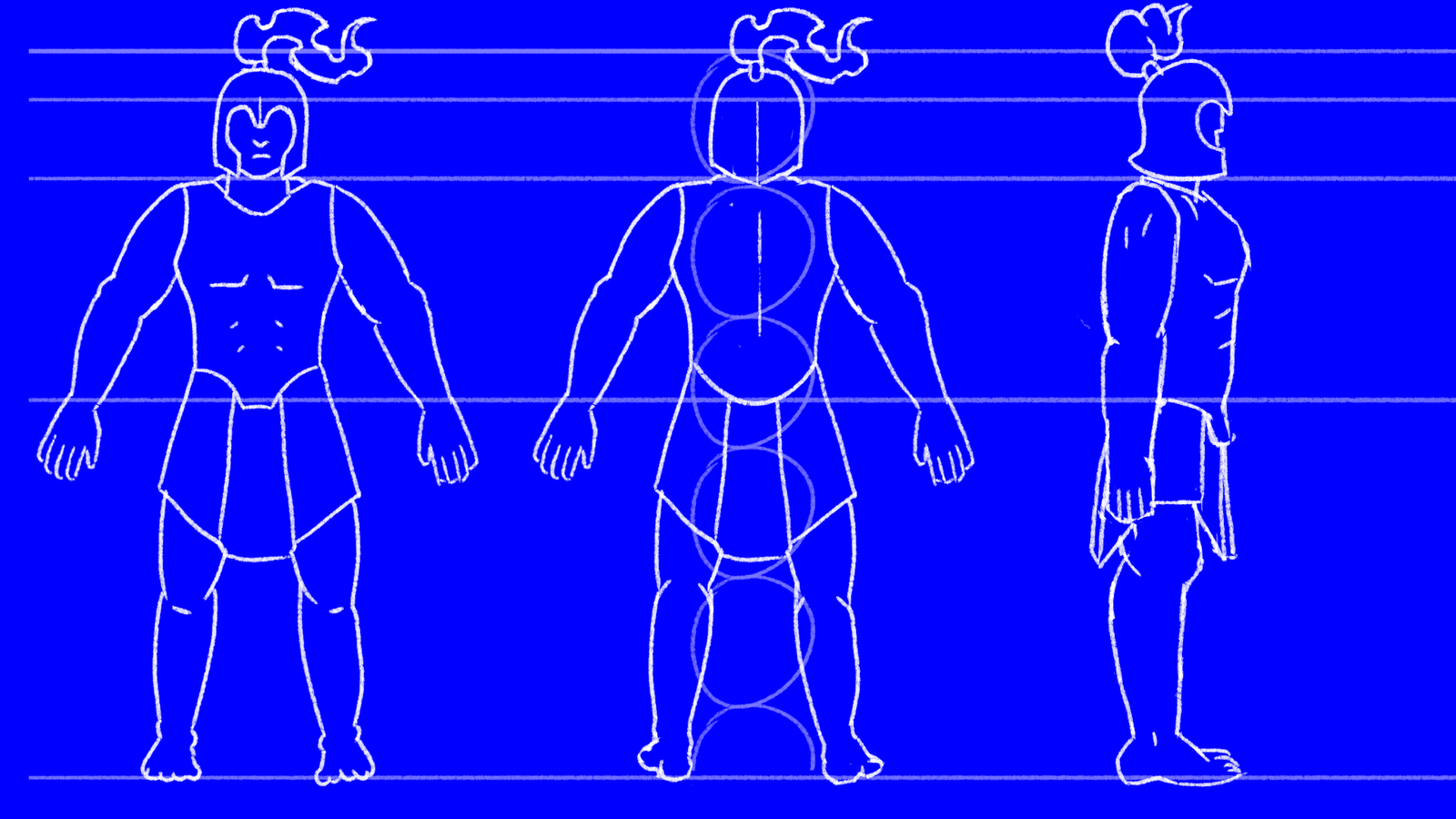
Early in the design stage I settled on a visual style with simple shapes and minimal drawings. There were two reasons for that.
- The production would fall all on me. With a large story to tell I looked for a style that I could make by myself.
- I wanted the interviews to drive the story and I was looking for a way to make the visuals to translate the feeling rather than tell double up the story.
color to replace standard white and later the white on blue became a
staple because I liked the way the white on blue contrasted and gave the
film a very outspoken character.
but it felt to literal. And later in the process you can see me look for
the right way to visualize a metaphor. talking about crying was the
intent
but that was also too on the nose to show someone crying. Slowly images
of water sneaked in my sketches. From there a language of metaphor came
into view: Environments and objects over humans to give voice emotion.
The diction felt very on point with the way men often talk around
emotion.